
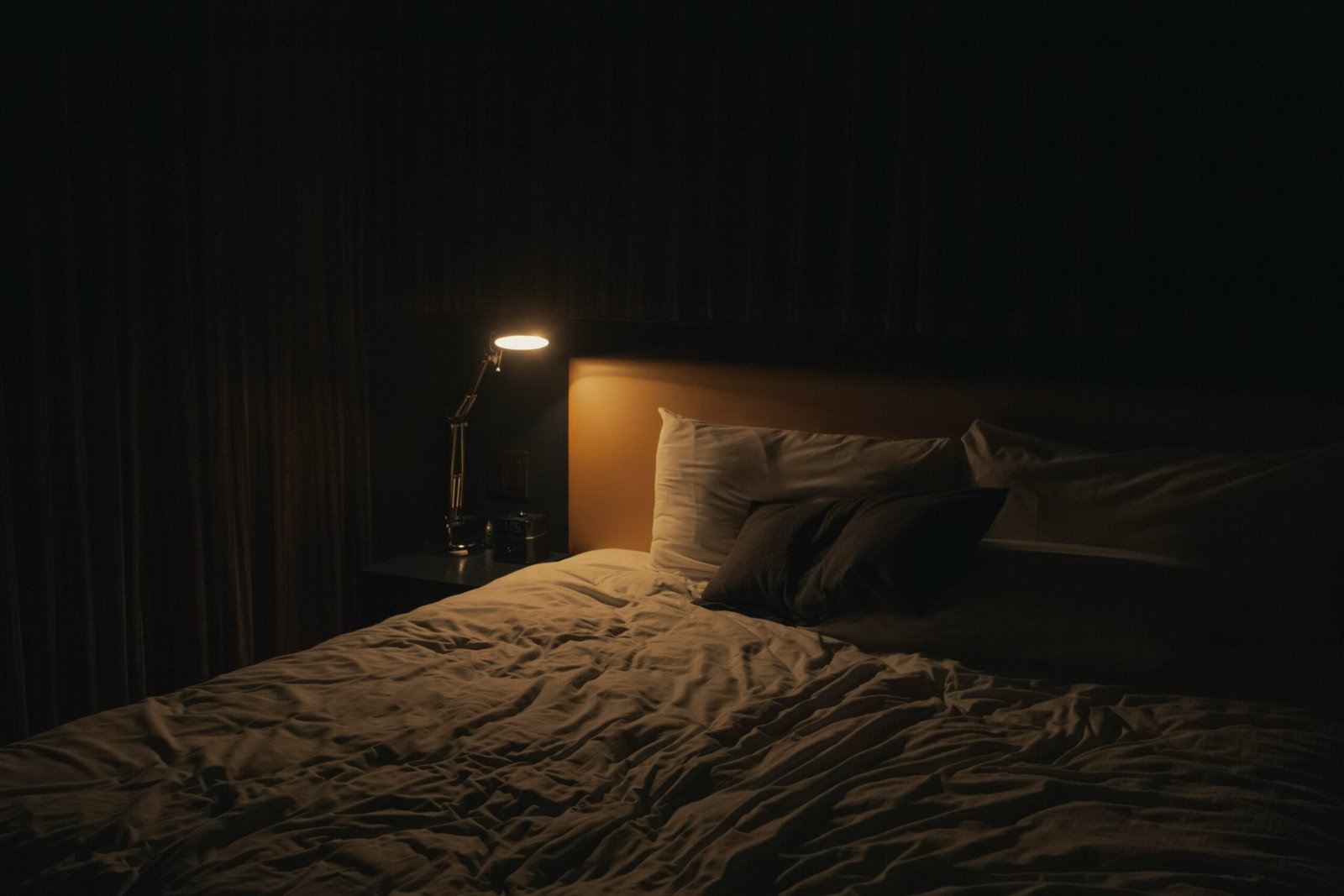
It’s 1:17 a.m. The neighbor’s dog just barked. A car door slammed two streets over. Your partner rolled over. And your brain, which was finally starting to settle, is wide awake again.
A lot of people reach for white noise at this point. Lately more people reach for brown noise. Both promise to “drown out” the world so you can sleep. The marketing is strong. The research is a lot quieter.
This guide cuts through the noise. You’ll get a clear comparison of white, pink, and brown noise, what the actual studies show, how to choose based on the sounds that wake you, and a practical way to test them without wasting weeks.
Quick Answer
No color of continuous noise has strong evidence that it improves sleep on its own.
The real job of these sounds is masking — covering sudden, attention-grabbing noises so your brain stops reacting to them.
- White noise spreads energy evenly across frequencies. Best at covering high, sharp sounds (voices, beeps, dogs).
- Pink noise is softer and more balanced. Has the most research attention for deep-sleep effects (mostly with timed pulses, not all-night play).
- Brown noise is deeper and rumbly. Many people find it more comfortable, but it has almost no direct sleep research.
Pick the one that covers the noises that actually disturb you and that you can ignore for hours. Keep the volume modest. Test for a few nights.
Why Traditional Advice Falls Short
Most articles treat noise colors like a ranking: “Brown is better than white.” That framing is wrong.
The useful question is not “Which color is best?”
It is: What kind of sound is waking you up, and which background can cover it without becoming annoying itself?
A 2021 systematic review of continuous noise for sleep rated the overall evidence quality as very low. Later work has not changed that picture much. A 2026 University of Pennsylvania sleep-lab study even found that continuous pink noise at 50 dBA reduced REM sleep by roughly 19 minutes compared with a quiet night.
So the science is modest. That does not mean these sounds are useless. It means we should use them for what they actually do well: reducing the contrast between background and sudden noise.
White Noise, Pink Noise, and Brown Noise Explained
White Noise
Equal energy at every frequency we can hear.
Sounds like static, a loud fan, or an untuned radio.
Strength: covers the widest range of sudden sounds, especially higher-pitched ones.
Weakness: the hiss can feel harsh or fatiguing over long periods for many people.
Pink Noise
Energy falls about 3 dB per octave as frequency rises.
Sounds more like steady rain or wind.
Has the most laboratory attention, especially short pulses timed to slow-wave sleep. Continuous all-night use has weaker and sometimes mixed results.
Brown Noise (also called Brownian or red noise)
Energy falls about 6 dB per octave. Heavily weighted toward low frequencies.
Sounds like a distant waterfall, heavy rain, or a low rumble.
Many people describe it as more “enveloping” and less fatiguing than white noise. Direct controlled sleep trials are essentially nonexistent.
| Feature | White Noise | Pink Noise | Brown Noise |
|---|---|---|---|
| Character | Bright hiss | Soft rain / wind | Deep rumble / waterfall |
| Frequency balance | Equal across spectrum | Moderate low-end emphasis | Strong low-end emphasis |
| Masks best (in theory) | High sounds (voices, beeps) | Mix of high and low | Low rumbles (traffic, bass, snoring) |
| Sleep research | Small studies, mixed | Most studied (especially pulsed) | Almost none |
| Common complaint | Too harsh / hissy | Sometimes too soft | Less effective on voices |
What the Research Actually Shows
White noise
A handful of small adult studies and hospital settings show modest benefits in some cases (faster sleep onset or better subjective ratings). A 2021 review of 38 studies still called the quality of evidence very low.
Pink noise
Timed pulses during deep sleep have produced interesting brain-wave results in lab settings. Continuous all-night pink noise is a different story. The 2026 Penn trial found reduced REM at 50 dBA.
Brown noise
Almost no controlled sleep data. Claims that brown noise is superior for sleep currently rest on physics (low-frequency energy) and user preference, not strong clinical trials.
Bottom line from the literature
Steady background noise can help when the main problem is intermittent disruptive sound. It is not a reliable way to deepen sleep architecture or “hack” REM. Volume and personal comfort matter more than the marketing name of the color.
How to Choose the Right Sound for Your Bedroom
Ask two practical questions:
- What noises actually wake or disturb you?
Voices, dogs, phones, high beeps → start with white or pink.
Traffic rumble, HVAC, bass through walls, partner’s snoring → brown often feels better.
Mixed urban noise → pink is a common middle ground. - Which sound can you stop noticing?
The best sleep sound is the one that becomes background within a few minutes. If you keep paying attention to the hiss or the rumble, it is working against you.
Volume rule of thumb
Keep it low enough that a normal conversation in the room would still be audible. Many people run machines or apps far too loud.
Delivery method
Dedicated sound machine or speaker placed away from the bed often feels more natural than phone speakers. Phone speakers struggle with true brown noise (they lack bass).
A Simple 5-Night Test You Can Run
- Night 1–2: Quiet or your current method (baseline).
- Night 3: White noise at low volume.
- Night 4: Pink noise at the same volume.
- Night 5: Brown noise at the same volume.
Track only two things: how long it felt to fall asleep, and whether you woke to external sounds.
You can try different mixes for free here: Sleep Sound Mixer.
Practical Tips That Matter More Than the Color
- Use a timer if possible so the sound does not run all night at full volume.
- Combine with basic sleep hygiene (consistent schedule, dark room, cooler temperature).
- If outside noise is severe, earplugs or better window treatments often outperform any app.
- For partners who snore, brown or pink noise can help the non-snoring partner, but it does not replace addressing the snoring itself when possible.
FAQ
Is brown noise better than white noise for sleep?
Not according to the research we have. Many people prefer the sound of brown noise. Prefer the one that masks your specific disturbances and that you find easiest to ignore.
Can I play these sounds all night?
Yes, many people do. Keep the volume modest. Continuous higher-volume broadband sound has shown some reduction in REM in at least one controlled setting.
Does pink noise deepen sleep?
Timed pulses during deep sleep have produced measurable brain-wave changes in laboratory studies. Continuous all-night pink noise has weaker and sometimes mixed results.
What about green noise or other colors?
Even less research. Treat them as preference options only.
Is this medical advice?
No. This is an evidence summary for general information. Persistent sleep problems should be discussed with a qualified clinician.
Key Takeaways
- Continuous colored noise mainly works by masking sudden sounds, not by magically improving sleep architecture.
- Evidence quality is low for all three main colors. Pink has the most study attention; brown has almost none.
- Choose based on the noises that disturb you and which sound you can stop noticing.
- Keep volume modest. Test for a few nights rather than committing to one color because of online claims.
- Pair any sound with the basics: consistent timing, darkness, and a cool room.
Author: LeoTheGreat
Last updated: November 2026
Sources & further reading
Riedy et al., systematic review of continuous noise and sleep (Sleep Medicine Reviews, 2021)
Basner et al., continuous pink noise and REM (Sleep, 2026)
Northwestern University work on pink-noise pulses and slow-wave activity
National Sleep Foundation and Sleep Research Society consensus statements on sleep environment