
Struggling to fall asleep or wake up feeling refreshed? You’re not alone. Millions of people search for ways to sleep better every month. The good news is that small, science-backed changes to your daily habits — known as sleep hygiene — can dramatically improve your sleep quality.
In this guide you’ll discover 10 practical, evidence-based tips you can start using tonight. No expensive gadgets required — just simple habits that actually work.
What Is Sleep Hygiene?
Sleep hygiene refers to the habits and environmental factors that set the stage for high-quality rest. Think of it as the foundation of good sleep. Research from Harvard Health and the American Academy of Sleep Medicine consistently shows that consistent routines and a sleep-friendly environment are among the most effective ways to improve sleep without medication.

10 Proven Ways to Improve Your Sleep Quality
1. Keep a Consistent Sleep Schedule
Going to bed and waking up at the same time every day (including weekends) is the single most powerful sleep hygiene habit. Your body’s internal clock (circadian rhythm) thrives on consistency. Studies show that irregular sleep schedules disrupt deep sleep and make it harder to fall asleep.
2. Create a Cool, Dark, and Quiet Bedroom
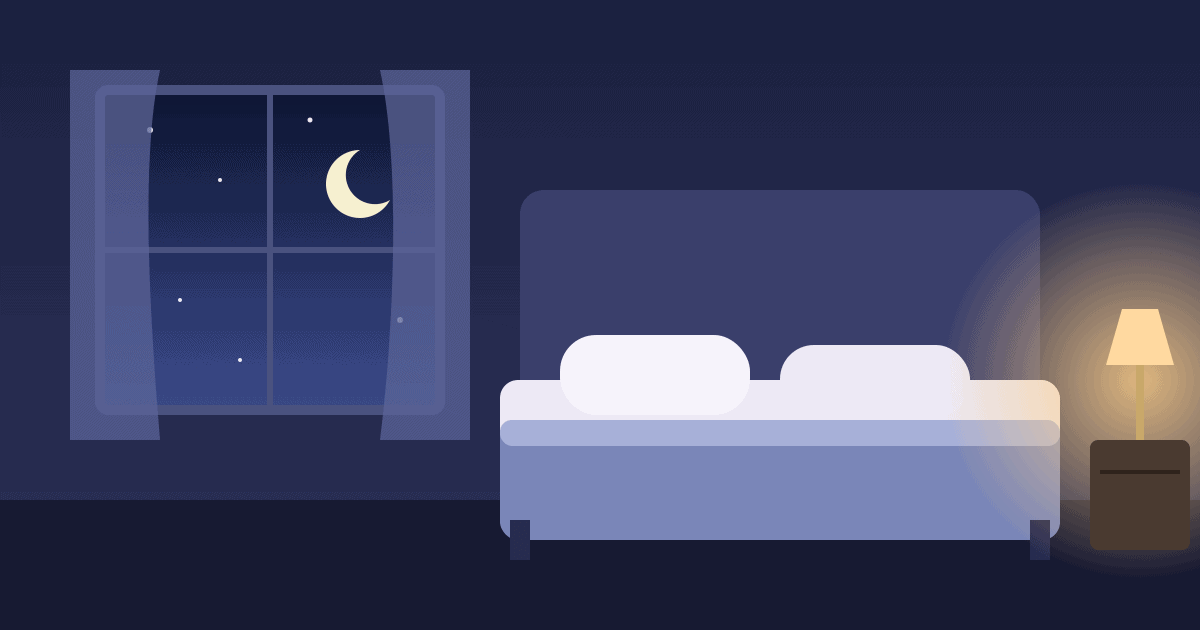
The ideal sleep temperature is between 65–68°F (18–20°C). Darkness signals your brain to produce melatonin. Use blackout curtains or an eye mask, and consider a white-noise machine or fan if noise is an issue. Keep your bedroom only for sleep and intimacy — no work or scrolling in bed.
3. Limit Screens Before Bed
Blue light from phones, tablets, and TVs suppresses melatonin. Aim to put devices away at least 30–60 minutes before bedtime. If you must use a screen, enable night mode or wear blue-light-blocking glasses.
4. Watch Your Caffeine Timing
Caffeine can stay in your system for 6–8 hours. Even a cup of coffee in the late afternoon can reduce deep sleep. Cut off caffeine by early afternoon for most people. Be mindful of hidden sources like tea, chocolate, and some energy drinks.
5. Get Morning Light and Move During the Day
Bright morning light helps reset your circadian rhythm. Aim for 10–30 minutes of natural light soon after waking. Regular daytime exercise (especially moderate aerobic activity) also improves sleep quality — just avoid intense workouts close to bedtime.

6. Build a Simple Wind-Down Routine
Signal to your body that it’s time to sleep with a short, calming routine. Examples include reading a paper book, gentle stretching, deep breathing, or a warm shower 1–2 hours before bed. Keep it the same most nights so your brain starts associating these activities with sleep.
7. Be Smart About Naps
If you need a nap, keep it short (20 minutes or less) and early in the afternoon. Long or late naps can steal sleep pressure and make it harder to fall asleep at night.
8. Limit Alcohol and Heavy Meals Late at Night
Alcohol may help you fall asleep faster, but it fragments sleep later in the night and reduces REM sleep. Heavy or spicy meals close to bedtime can also cause discomfort. Finish eating at least 2–3 hours before bed when possible.
9. Manage Stress Before Bed
Racing thoughts are one of the biggest sleep stealers. Try a quick brain dump (write tomorrow’s to-do list), progressive muscle relaxation, or 4-7-8 breathing. If worry is chronic, cognitive behavioral therapy for insomnia (CBT-I) is the gold-standard non-medication approach.
10. Know When to Seek Extra Help
If you’ve tried solid sleep hygiene for several weeks and still struggle with insomnia, loud snoring, or excessive daytime sleepiness, talk to a doctor. Conditions like sleep apnea or restless legs syndrome need specific treatment beyond hygiene tips.
Quick Sleep Hygiene Checklist
- Same bedtime and wake time every day
- Cool, dark, quiet bedroom
- No screens 30–60 minutes before bed
- Caffeine cutoff by early afternoon
- Morning light + daytime movement
- Simple wind-down routine
- Short early naps only if needed
- Light evening meals, limited alcohol
Final Thoughts
Better sleep doesn’t require perfection. Start with one or two of these tips — consistency of schedule and a cool, dark room usually deliver the biggest results first. Track how you feel after a week or two and build from there.
Sweet dreams.
Sources: Harvard Health Publishing, Cleveland Clinic, American Academy of Sleep Medicine, and peer-reviewed sleep research.