
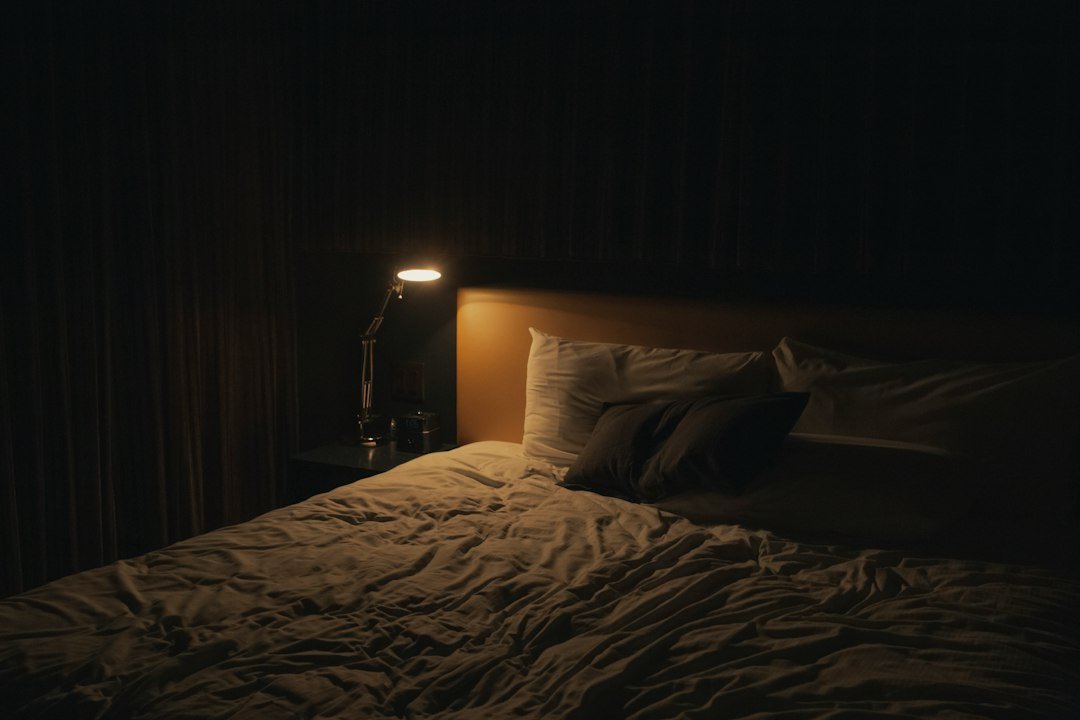
Good sleep is not simply about getting into bed early and hoping to fall asleep.
Your sleep is influenced by what you do throughout the day, when you expose yourself to light, when you exercise, what and when you eat and drink, how consistently you keep your schedule, and whether your bedroom actually supports sleep.
The good news is that improving your sleep habits does not require a perfect routine.
Small, consistent changes can make your evenings calmer and help create conditions that support better-quality sleep.
This guide explains the most important healthy sleep habits, how to build a realistic bedtime routine, what commonly interferes with sleep, and what to do when better habits aren’t enough.
Important: Sleep habits can support healthy sleep, but they are not a substitute for medical care. Persistent or severe sleep problems may have an underlying cause and should be discussed with a qualified healthcare professional.
What Are Sleep Habits?
Sleep habits are the behaviors, routines, and environmental conditions that influence how easily you fall asleep, stay asleep, and feel during the day.
You may also hear the term sleep hygiene.
Healthy sleep habits include things such as:
- Keeping a relatively consistent sleep and wake schedule
- Allowing enough time for sleep
- Creating a relaxing bedtime routine
- Getting natural light during the day
- Being physically active
- Limiting caffeine later in the day
- Avoiding heavy meals close to bedtime
- Reducing bright light and stimulating activities at night
- Keeping your bedroom quiet, dark, and comfortably cool
- Creating a bedroom environment that encourages relaxation
The goal isn’t to follow a rigid list perfectly.
The goal is to create a pattern your body can recognize as daytime for activity and nighttime for rest.
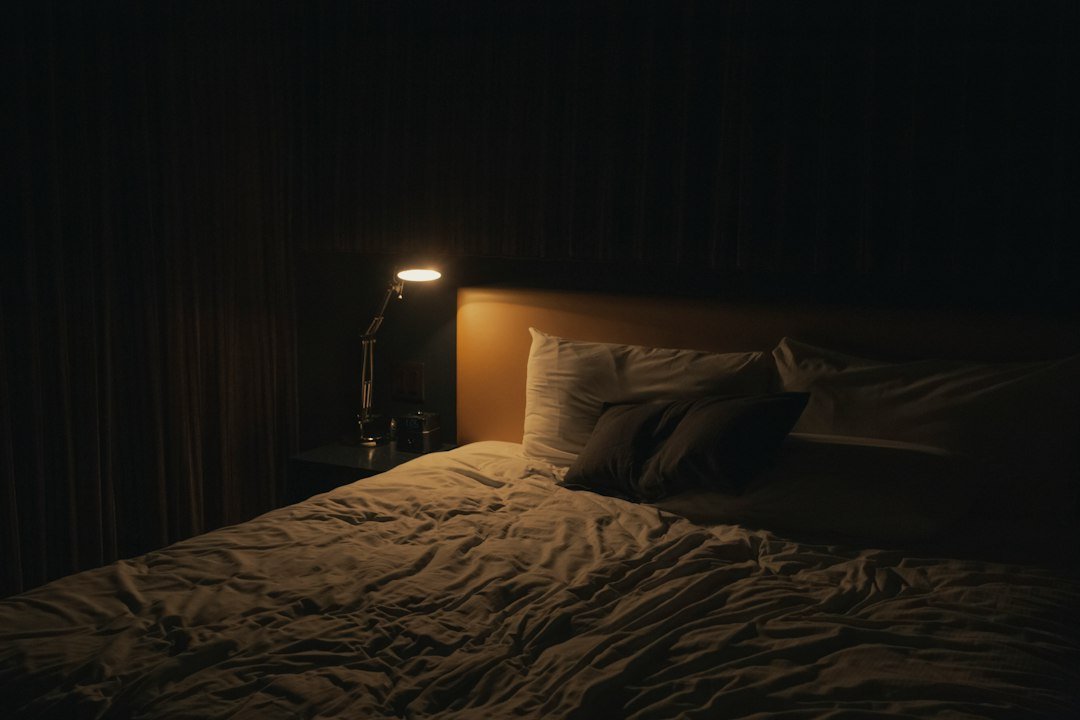
How Much Sleep Do Adults Need?
For most healthy adults, getting at least 7 hours of sleep per night on a regular basis is recommended.
The American Academy of Sleep Medicine and Sleep Research Society reached this recommendation after reviewing evidence across multiple health outcomes. Individual sleep needs can still vary.
Sleep duration is only part of the picture, however.
Two people may spend eight hours in bed and experience very different sleep.
Healthy sleep also involves:
- Duration — getting enough sleep
- Timing — sleeping at an appropriate time for your schedule
- Regularity — keeping a reasonably consistent pattern
- Continuity — avoiding frequent unnecessary awakenings
- Quality — waking feeling reasonably refreshed
The CDC notes that quality sleep is not simply about the number of hours you spend asleep; uninterrupted and refreshing sleep matters too.
10 Healthy Sleep Habits That Can Improve Your Sleep
1. Keep a Consistent Sleep and Wake Schedule
One of the simplest sleep habits is also one of the most important:
Try to go to bed and wake up at roughly the same time every day.
That includes weekends.
Your body operates according to an internal sleep-wake rhythm. Large changes between weekday and weekend schedules can make it harder to maintain that rhythm.
The NIH recommends keeping differences between weekday and weekend schedules to roughly an hour when possible.
Try this:
Instead of thinking: “I need the perfect bedtime.”
Think: “I want a reasonably consistent wake-up time.”
Start there.
A consistent morning can make the rest of your sleep schedule easier to organize.
2. Give Yourself Enough Time to Sleep
One common sleep mistake is treating sleep as whatever time is left after everything else is finished.
Work, school, entertainment, chores, social media, television and late-night tasks can gradually push bedtime later.
If you regularly need to wake up at 7:00 a.m., staying up until 1:00 a.m. does not give your body much opportunity to get adequate sleep.
Adults generally need at least seven hours of sleep on a regular basis.
Instead of asking: “How can I fall asleep faster?”
also ask: “Am I giving myself enough opportunity to sleep?”
That distinction matters.

3. Create a Simple Bedtime Routine
Your brain doesn’t have an instant off switch.
A transition period between daytime activity and sleep can make bedtime feel more predictable.
The NIH recommends using the hour before bed for quieter activities and reducing intense exercise and bright artificial light during that period.
A simple bedtime routine might include:
60 minutes before bed
- Finish demanding work
- Reduce bright lighting
- Put away unnecessary notifications
30 minutes before bed
- Shower or wash up
- Read something relaxing
- Prepare your room
10 minutes before bed
- Put your phone away
- Get comfortable
- Use slow breathing or another relaxation technique
You don’t need a complicated 12-step routine.
Consistency is more useful than complexity.
4. Get Natural Light During the Day
Light is one of the strongest signals influencing your body’s internal clock.
Getting outside during the day, particularly earlier in the day, can help reinforce your normal sleep-wake rhythm.
The CDC recommends getting natural light, especially earlier in the day, and the NIH recommends spending time outside when possible.
A simple habit:
Get outside in the morning or around lunchtime.
You don’t necessarily need a special “sleep hack.”
A walk outside can combine daylight with physical activity.
5. Exercise During the Day
Regular physical activity is associated with better sleep and is an important part of a healthy daily routine.
You don’t need an extreme workout.
Walking, cycling, recreational sports, strength training, or other enjoyable activities can all contribute to an active lifestyle.
The NIH recommends regular physical activity and spending time outdoors.
If intense exercise close to bedtime seems to make you feel more alert, move harder workouts earlier in the day.
The most useful exercise routine is usually the one you can maintain consistently.
6. Watch Your Caffeine Timing
Caffeine can interfere with sleep because it is a stimulant.
This includes more than coffee.
Caffeine can also be found in:
- Tea
- Energy drinks
- Some soft drinks
- Chocolate
- Certain medications and supplements
The NIH notes that caffeine’s effects can last for hours and recommends avoiding it close to bedtime.
If you regularly struggle to fall asleep, experiment with moving your last caffeinated drink earlier.
For some people, this simple change can be more useful than buying another sleep product.
7. Be Mindful of Late-Night Meals and Alcohol
A large meal shortly before bed can make some people uncomfortable and may interfere with sleep.
The NIH recommends avoiding heavy or large meals within a few hours of bedtime.
Alcohol deserves particular attention.
Although alcohol can make some people feel sleepy initially, it can lead to lighter, more disrupted sleep later in the night.
If you’re trying to improve sleep quality, consider keeping your evening meal moderate and giving yourself time to digest before going to bed.
8. Make Your Bedroom Sleep-Friendly
Your bedroom should make sleep easier—not harder.
A good sleep environment is generally:
- Dark
- Quiet
- Comfortably cool
- Comfortable
- Free from unnecessary distractions
The CDC and NIH both recommend a quiet, relaxing and comfortably cool bedroom environment.
Your bedroom checklist
Ask yourself:
- Light: Is streetlight or electronic light entering the room?
- Noise: Are traffic, appliances, notifications or other sounds waking you?
- Temperature: Is the room uncomfortably warm?
- Comfort: Is your mattress and pillow comfortable for you?
- Distractions: Is your bedroom being used as an office, entertainment room or scrolling station?
Improving the sleep environment can sometimes be easier than trying to “force” yourself to sleep.

9. Reduce Evening Screen and Bright-Light Exposure
Phones aren’t automatically responsible for every sleep problem.
But late-night device use can combine several potential sleep disruptors:
- Bright light
- Mental stimulation
- Notifications
- Social media
- Work
- Games
- Emotional conversations
- Delaying bedtime
The CDC recommends turning off electronic devices at least 30 minutes before bedtime.
You can make this easier by creating a simple rule:
The bed is not the place where the day continues.
Charge your phone away from the bed if possible.
Use an alarm clock if your phone normally stays beside your pillow.
Dim the lights.
Give yourself a transition between being connected and going to sleep.
10. Give Your Mind Time to Wind Down
Sometimes the problem isn’t the bedroom.
It’s everything happening inside your head.
Stress and worrying can contribute to insomnia, and worrying about whether you’ll get enough sleep can itself make sleep more difficult.
A short wind-down routine may help:
Try a “brain dump”
Before bed, write down:
Tomorrow
- 3 things I need to do
- 1 thing I must remember
- 1 thing I can leave until later
Then close the notebook.
You’re not solving your entire life at bedtime.
You’re simply giving your brain somewhere to put tomorrow’s tasks.
Relaxation techniques, reading, a warm bath, meditation or quiet music can also become part of a calming pre-sleep routine.
What About Naps?
Naps aren’t automatically bad.
A short nap can improve alertness for some people.
However, if you regularly struggle to fall asleep at night, long or late naps may make the problem worse.
The NIH recommends limiting naps or taking them earlier in the afternoon when nighttime sleep is difficult. For adults who nap, it suggests keeping naps to no more than about 20 minutes.
If you sleep well at night, there’s no need to treat every nap as a problem.
A Simple 7-Day Sleep Habit Reset
You don’t need to change everything tonight.
Try this seven-day experiment.
Day 1 — Choose Your Wake Time
Pick a realistic wake-up time and keep it consistent.
Day 2 — Get Morning Light
Spend some time outdoors earlier in the day.
Day 3 — Move More
Add a walk or another form of physical activity.
Day 4 — Check Your Caffeine
Look at when you consume caffeine and move it earlier if necessary.
Day 5 — Improve Your Bedroom
Make the room darker, quieter, cooler or more comfortable.
Day 6 — Create a 30-Minute Wind-Down
Turn down the lights, put devices away and choose something relaxing.
Day 7 — Review Your Sleep
Don’t only ask: “Did I sleep perfectly?”
Ask:
- Did I follow my schedule?
- Did I give myself enough time to sleep?
- Did I feel more relaxed before bed?
- What seemed to help?
- What made sleep harder?
Then keep the habits that actually work for you.
Common Sleep-Habit Mistakes
Trying to Change Everything at Once
A completely new routine can be difficult to maintain. Start with one or two changes.
Chasing the Perfect Sleep Hack
Sleep is not usually fixed by one magic trick. Your schedule, light exposure, activity, stress, environment and daily habits all interact.
Sleeping In Dramatically on Weekends
A major difference between weekday and weekend sleep schedules can disrupt your sleep-wake rhythm.
Using the Bed as an Entertainment Center
If your bed becomes the place for work, scrolling, gaming and watching videos, it becomes harder to mentally associate it with sleep.
Watching the Clock
Constantly checking the time can increase anxiety about how much sleep you’re “losing.” Stress about sleep can itself contribute to insomnia.
When Better Sleep Habits Aren’t Enough
Healthy sleep habits are useful, but they cannot solve every sleep problem.
Talk with a healthcare professional if you regularly have trouble falling asleep, staying asleep, wake up feeling unrefreshed despite enough time in bed, or experience significant daytime sleepiness.
Sleep problems can sometimes be related to medical conditions, medications, mental health, sleep disorders or other factors that require professional assessment.
If sleep problems continue despite improving your habits, don’t assume you simply need more discipline.
There may be something else going on.
The SleepWellSpace Approach to Better Sleep
Better sleep doesn’t have to mean building a complicated nighttime routine.
Start with the fundamentals:
- Sleep enough.
- Keep your schedule consistent.
- Get daylight during the day.
- Move your body.
- Watch your caffeine timing.
- Create a calming evening transition.
- Make your bedroom comfortable.
- Give your mind a chance to slow down.
Then pay attention to what actually works for you.
Sleep is personal.
A routine that works perfectly for one person may not work exactly the same way for another.
The goal isn’t to become perfect at sleeping.
The goal is to create better conditions for sleep, consistently.
Quick Sleep Habits Checklist
Save this checklist and work through it one habit at a time:
- ☐ Consistent wake-up time
- ☐ Enough time scheduled for sleep
- ☐ Morning or daytime natural light
- ☐ Regular daytime movement
- ☐ Caffeine limited later in the day
- ☐ No heavy meal immediately before bed
- ☐ Calmer final 30–60 minutes
- ☐ Less bright light and screen stimulation at night
- ☐ Dark bedroom
- ☐ Quiet bedroom
- ☐ Comfortable bedroom temperature
- ☐ Comfortable mattress and pillow
- ☐ Simple relaxation routine
- ☐ Address persistent sleep problems with a healthcare professional
Frequently Asked Questions About Sleep Habits
What are the best sleep habits for better sleep?
The most useful foundations include a consistent sleep schedule, enough time for sleep, daytime light and activity, appropriate caffeine timing, a relaxing pre-bed routine, and a dark, quiet and comfortable bedroom.
How can I improve my sleep naturally?
Start with behavioral and environmental habits rather than searching for a single solution. Keep a consistent schedule, get daylight during the day, exercise regularly, reduce caffeine later in the day, create a relaxing bedtime routine, and optimize your bedroom environment.
What should I do 30 minutes before bed?
Use the final part of your evening to transition away from stimulation. Dim the lights, put electronic devices aside, prepare your bedroom, read something relaxing, or use another calming activity that works for you.
Is 7 hours of sleep enough?
Adults should generally get at least 7 hours of sleep regularly, although individual sleep needs vary. Sleep quality and regularity also matter.
Does using your phone before bed affect sleep?
Evening phone use can expose you to bright light and stimulating content and may also encourage you to delay bedtime. The CDC recommends turning electronic devices off at least 30 minutes before bedtime.
Does caffeine affect sleep?
Yes. Caffeine is a stimulant and can interfere with sleep, particularly when consumed later in the day. The NIH notes that caffeine’s effects can last for several hours.
Should I sleep in on weekends?
Try to keep your sleep and wake schedule reasonably consistent throughout the week. The NIH recommends limiting the difference between weekday and weekend schedules to about an hour when possible.
What if I still can’t sleep after improving my habits?
Don’t assume you are doing something wrong. Persistent sleep difficulties can have different causes and may require professional evaluation. Speak with a healthcare professional if sleep problems continue or significantly affect your daytime life.
Final Thought
Better sleep usually isn’t about finding one perfect trick.
It is about building a collection of small habits that make healthy sleep easier.
Start tonight with one change.
Then make it repeatable.
Over time, those small decisions can become the routine that supports better nights and better days.
SleepWellSpace — better habits for better sleep.