
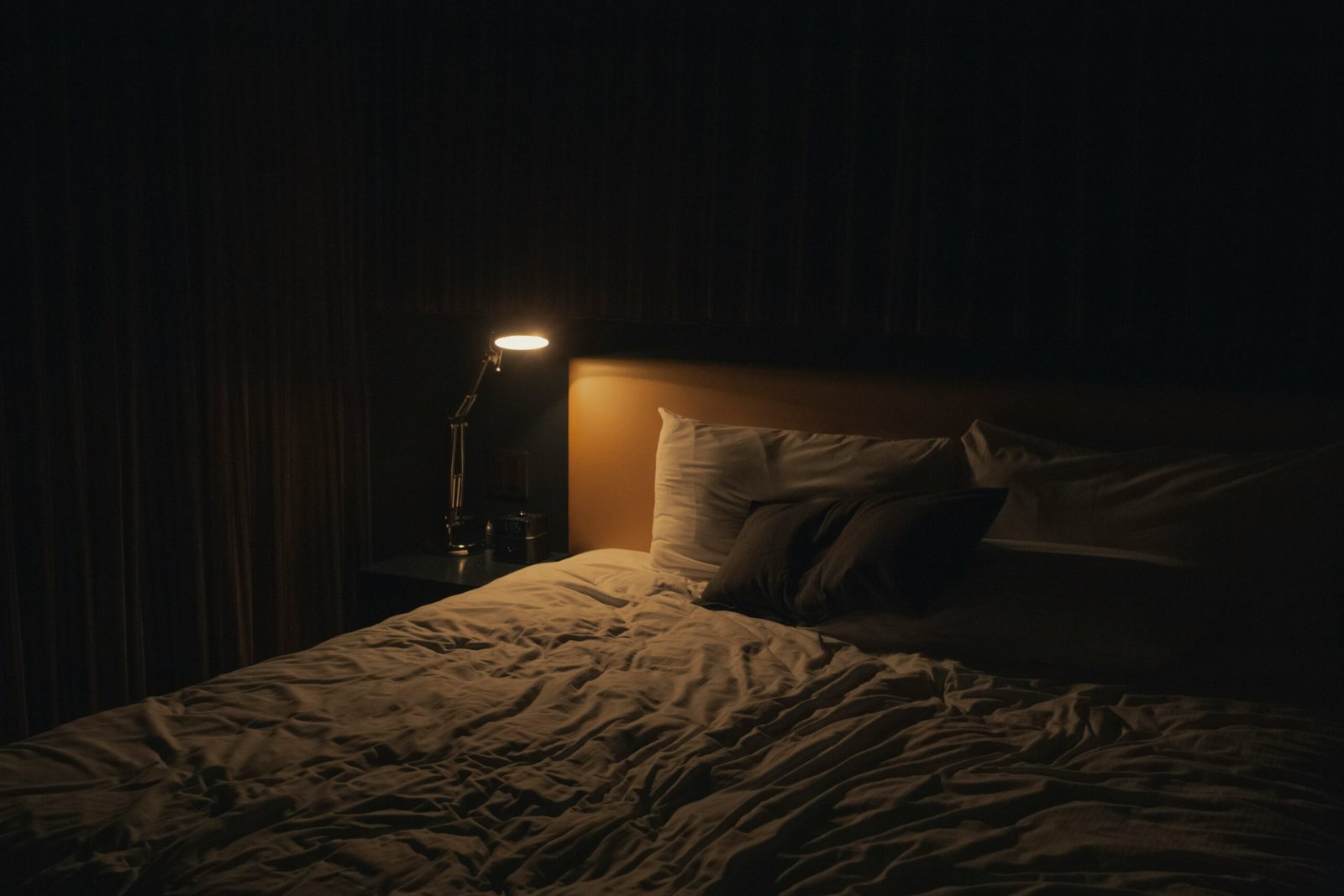
You turn off the light, and your brain turns on. The email you forgot to send. The thing you said in 2014. A song lyric on a loop. The room is quiet, which is exactly the problem—because there’s nothing for your mind to latch onto except itself.
If that sounds familiar, you’ve probably already been told to “try white noise.” You may have tried it and found it grating, like a TV stuck on a dead channel. Then someone on a forum swore that brown noise changed their life, and now you’re wondering whether the color of your noise actually matters.
It does, a little. Here’s what separates the two, what’s known (and not known) about ADHD and sound, and how to figure out which one works for your head.
The Core Difference: What You’re Actually Hearing
Sound is made of frequencies, from low rumbles to high hisses. A “noise color” is just a description of how the energy is spread across that range.
White noise: equal energy everywhere
White noise has the same amount of energy at every frequency. Because human hearing is especially sensitive to higher pitches, the result sounds bright and hissy. Think of an untuned radio, a box fan on high, or air escaping a tire. It’s sharp, even, and very good at covering up a lot of different sounds.
Brown noise: the low end takes over
Brown noise tilts the balance hard toward bass. Its energy drops off steadily as frequency goes up, so the low frequencies dominate and the highs are softened. (The name comes from Robert Brown, the botanist behind “Brownian motion,” not from the color. The random-wobble pattern of the sound’s waveform resembles that motion.)
What you hear is deeper and rounder: a heavy waterfall, a strong river heard from a distance, wind against a window, or distant thunder that never quite arrives. Many people describe it as a sound you feel in your chest more than hear in your ears.
And pink noise sits in between
You’ll also see pink noise mentioned. It’s the middle child: less hiss than white, less rumble than brown. Steady rain on leaves is a good mental picture. If white feels too sharp and brown feels too heavy, pink is worth a test run.
| Sounds like | Feels like | |
|---|---|---|
| White | Static, a fan, an untuned radio | Bright, sharp, airy |
| Pink | Steady rain, rustling leaves | Balanced, natural |
| Brown | Waterfall, distant thunder, strong wind | Deep, warm, heavy |

How Sound Affects the Brain (and ADHD)
Your brain never fully stops listening. Even asleep, it keeps scanning for changes in the environment—a leftover survival feature. In a perfectly silent room, a small sound like a pipe ticking or a car door stands out sharply, and your brain treats the difference as news.
A steady background sound narrows that gap. When there’s a constant layer of sound, a new noise has less contrast to work with, so it’s less likely to register as an event worth waking up for.
Why this might matter more with ADHD
Here’s where honesty matters, because there’s a lot of confident claims online. The reality:
- Many people with ADHD report that silence is louder than noise. When nothing is competing for attention, the mind generates its own input, which looks a lot like racing thoughts at bedtime.
- Some research suggests that moderate background noise can improve attention and task performance in people with ADHD. A 2022 meta-analysis found a small positive effect of white noise on cognitive performance in people with ADHD, while finding no similar boost in people without it. One popular explanation is that a brain with lower baseline arousal benefits from a bit of extra stimulation, though that theory is still debated.
- Brown noise specifically has far less formal research behind it. Most of what you’ll read about brown noise and ADHD comes from personal experience, not controlled studies. That doesn’t make those experiences fake. It does mean nobody can promise you it’ll work.
So the fair summary is this: steady sound has a plausible mechanism for helping an overactive mind settle, there’s modest evidence for noise in general, and brown noise is a popular, low-risk thing to test because many people with ADHD say the deeper, less piercing tone is easier to tolerate than white noise.
(Also worth saying: sleep trouble with ADHD is common and sometimes tied to things sound can’t fix, like delayed sleep timing, medication effects, or co-occurring anxiety. If your sleep is consistently bad, that’s a conversation for your doctor, not just a playlist.)
Which One Wins for Sleep?
There’s no universal winner, but there are real patterns in how people respond. Here’s the head-to-head.
For falling asleep
Brown noise tends to have the edge for racing thoughts. The low, smooth texture gives your mind something to settle into without any bright edges to snag on. If you’ve ever found white noise “busy” or irritating when you’re already wound up, brown is the more forgiving choice.
White noise can still work well if your main issue is tuning out the world rather than quieting your head. Its bright texture is very effective at covering speech and other mid-to-high-pitched sounds.
For staying asleep
This is where things flip a bit.
- White noise masks a wider range of sounds, especially higher-pitched ones like voices, beeps, and dripping taps. If your sleep is broken by things like a neighbor’s TV or a bird at 5 a.m., white noise is a strong option.
- Brown noise covers low-frequency rumble best: traffic, bass through a wall, an HVAC unit, a train. It’s less effective against higher-pitched intrusions unless you turn it up.
Quick guide
| Your main problem | Try first |
|---|---|
| Racing thoughts, can’t switch off | Brown |
| Sharp noises (voices, beeps, dogs) | White or pink |
| Low rumble (traffic, trains, bass) | Brown |
| Sensitive to harsh or “hissy” sounds | Brown or pink |
| Nothing is obviously wrong, just restless | Pink, then compare |
Two rules that matter more than the color
- Keep the volume low. Aim for roughly the level of a quiet conversation, and place the speaker a few feet from your bed rather than right at your ear. Sound that’s too loud can work against you, and sleeping close to a loud source for hours isn’t ideal for your hearing—especially for infants and young children.
- Give it a week. Your first night with any new sound is a poor test. Your brain needs a few nights to stop treating it as new information.
Stop Guessing: Test Both Side by Side
Reading about noise colors only gets you so far. The deciding factor is how your own nervous system reacts at 11:30 p.m. with a head full of tabs.
That’s why we built the Sleep Sound Mixer right here on SleepWellSpace. You can switch between white, pink, and brown noise, blend them, and adjust the balance until it feels right. Try this:
- Open the mixer and start with brown noise at a low volume.
- Lie down, close your eyes, and spend a few minutes noticing whether your thoughts soften or sharpen.
- Switch to white noise and repeat.
- Try a blend (a lot of people settle on mostly brown with a touch of white or pink).
- Pick one for the next seven nights, then reassess.
The Bottom Line
White noise is the better all-around mask. Brown noise is often the better choice when the problem is inside your head rather than outside your window. The research on ADHD and noise is encouraging but still limited, and the research on brown noise in particular is thinner than the internet suggests.
The good news is that this is one of the cheapest, safest experiments you can run on your sleep. Test both, keep the volume modest, give each option a fair week, and keep whichever one lets your mind finally stop narrating.
This article is for general information and isn’t medical advice. If sleep problems persist, or you’re concerned about ADHD, talk with a healthcare professional.