
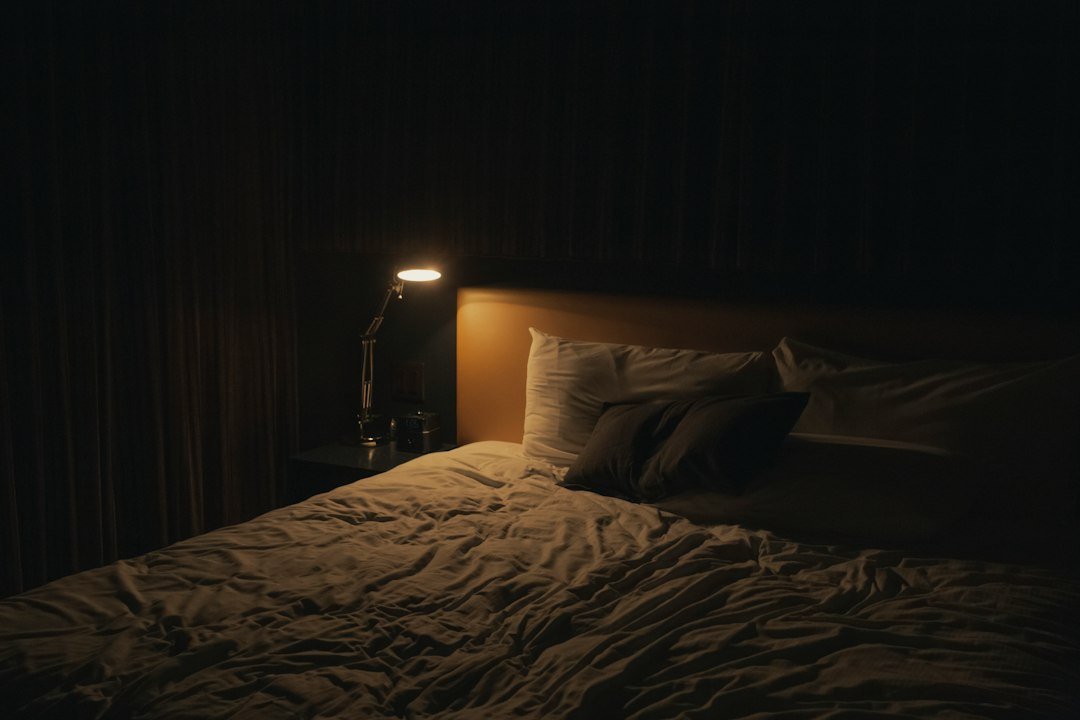
Your bedroom should make sleep easier, not harder.
Temperature, light, noise, and comfort all influence how easily you fall asleep and how well you stay asleep. Improving the sleep environment is often one of the simplest and most effective changes you can make.
This guide walks through the key elements of a sleep-friendly bedroom and practical ways to improve each one. It expands on the bedroom checklist in our complete guide to healthy sleep habits.
Important: This information is for general education. It is not medical advice. Ongoing sleep difficulties should be discussed with a qualified healthcare professional.
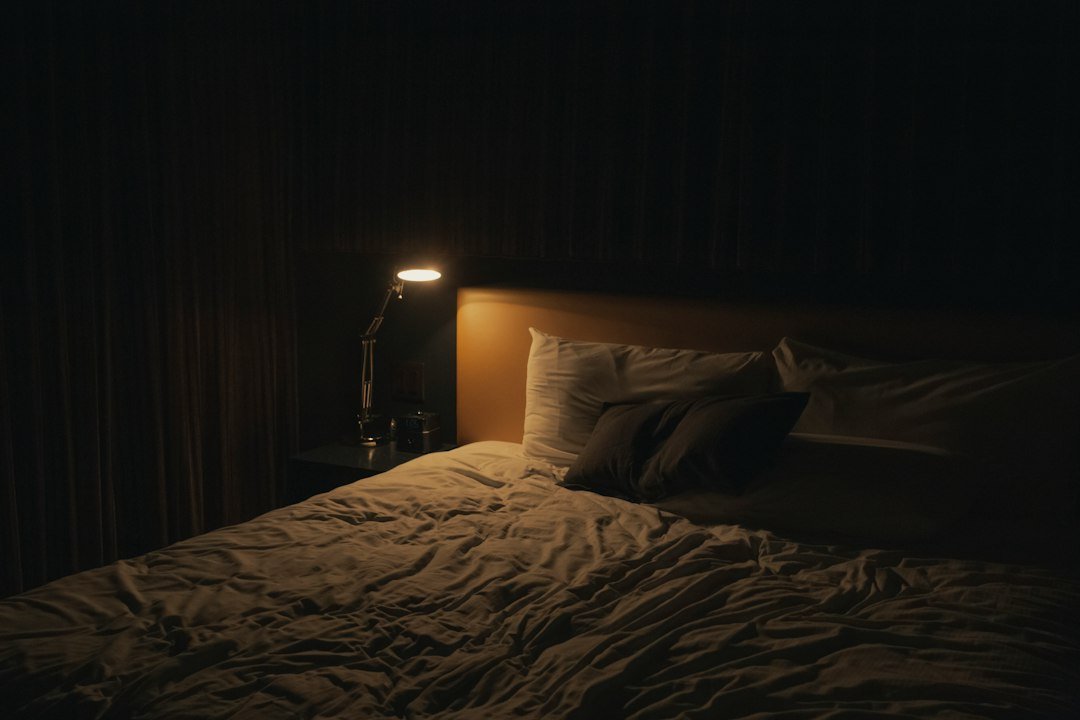
Keep the Room Dark
Light is one of the strongest signals that keeps your brain alert. Even small amounts of light from streetlamps, electronic devices, or digital clocks can interfere with sleep for some people.
Practical steps:
- Use blackout curtains or blinds if street or outdoor light enters the room
- Cover or turn away bright digital displays
- Consider a sleep mask if complete darkness is difficult to achieve
- Keep phones and tablets face-down or in another room when possible
Aim for a Comfortably Cool Temperature
Most people sleep better in a cooler room. A temperature that feels slightly cool when you first get into bed is often ideal.
A common recommended range is roughly 60–67°F (15–19°C), though individual preference varies. The key is that the room should not feel stuffy or overly warm.
Simple adjustments:
- Lower the thermostat a degree or two at night
- Use breathable bedding
- Open a window slightly if outdoor air is cool and quiet
- Consider a fan for air movement and gentle white noise
Reduce Noise
Sudden or ongoing noise can fragment sleep even if you do not fully wake up.
Helpful options:
- Earplugs if the environment is consistently noisy
- A white-noise machine, fan, or app that produces steady sound
- Soft rugs or curtains that absorb sound
- Addressing obvious sources (loud appliances, phones on loud notification settings)
Make the Bed Comfortable
Comfort is personal. What matters most is that your mattress and pillow support a position that feels good to you and does not leave you stiff or sore.
Consider:
- Whether your current mattress feels supportive or needs replacement
- Pillow height and firmness that match your usual sleep position
- Clean, breathable sheets
- Layering blankets so you can adjust temperature easily during the night

Reduce Distractions
The bed works best when it is mainly associated with sleep (and intimacy). Using it for work, scrolling, or long periods of entertainment can weaken that association.
Helpful habits:
- Keep work materials out of the bedroom when possible
- Charge phones away from the bed
- Use the bed primarily for sleep
- Create a short wind-down period before getting under the covers
A Simple Bedroom Checklist
- ☐ Room is dark enough (or a sleep mask is available)
- ☐ Temperature feels comfortably cool
- ☐ Noise is minimized or masked
- ☐ Mattress and pillow feel supportive to you
- ☐ Bedding is clean and breathable
- ☐ Electronic distractions are limited
- ☐ The bed is primarily for sleep
How This Fits With the Rest of Your Sleep Habits
A good sleep environment works best when paired with the other foundations covered in the complete sleep habits guide and related articles:
- Consistent wake time and morning light (Morning Light article)
- Appropriate caffeine timing (Caffeine article)
- A calm evening transition
Improving the room removes friction. The other habits then have a better chance to work.
Related Reading
Sleep Habits: The Complete Guide to Better Sleep (pillar)
How Caffeine Actually Affects Your Sleep
How Morning Light and a Consistent Wake Time Reset Your Sleep
Coming next:
- A Realistic 30–60 Minute Bedtime Routine
Final Thought
You do not need a perfect bedroom makeover.
Start with the one or two changes that feel most realistic—darker curtains, a cooler temperature, or quieter nights. Small environmental improvements often make the other sleep habits easier to maintain.
SleepWellSpace — better habits for better sleep.