

This post has affiliate links. As an Amazon Associate I earn from qualifying purchases, at no extra cost to you.
It starts as a soft rumble. Twenty minutes later it sounds like someone sanding a door in the next room, and you’re lying there wide awake, doing the math on how many hours are left until the alarm.
If you share a bed with a snorer, this post is about you, the one who’s awake. Not about fixing the snorer (that’s a conversation for them and, if needed, their doctor), but about the gear and small changes that let you sleep anyway. Most of it costs less than a dinner out.
Quick answer: the cheapest fix is a good pair of foam earplugs. If earplugs don’t work for you, add steady background sound from a white noise machine or sleep earbuds, and get your own blanket. Together, those three handle most snoring for most people.
1. Foam earplugs: the $5 fix to try first
Soft foam earplugs are still the most effective cheap option for blocking a snorer. The trick is putting them in properly: roll the plug into a thin tube, pull the top of your ear up and back with the other hand, slide it in, and hold it for about 20 seconds while it expands. Most people who say “earplugs don’t work” are wearing them half in.
- Mack’s Ultra Soft foam earplugs are a classic, cheap and soft enough for a lot of side sleepers.
- If standard plugs hurt, try a small-size foam earplug. Ear canals vary a lot.
Buy a variety pack before you commit to a 100-pair box. Fit matters more than the brand.
2. Reusable silicone or flexible earplugs (if foam feels weird)
Some people can’t stand the pressure of foam. Reusable plugs like Loop Quiet sit flatter and are more comfortable for a lot of side sleepers. They usually block a bit less than well-fitted foam, so pair them with background sound (below) on loud nights.
3. Sleep earbuds: block and mask at the same time
Sleep earbuds are small, low-profile buds built to wear overnight. They play a masking sound (white noise, rain, brown noise) right into your ears, so the snoring gets buried instead of just muffled. They’re the priciest option here, but for a lot of couples they’re the one that finally works.
- Ozlo Sleepbuds are designed specifically for sleep.
- Soundcore Sleep A20 is a cheaper alternative from Anker.
Before buying, check two things on the listing: battery life (it needs to last your whole night) and how they feel for side sleeping. Reviews from side sleepers are worth more than the spec sheet.
4. A white noise machine on your side of the bed
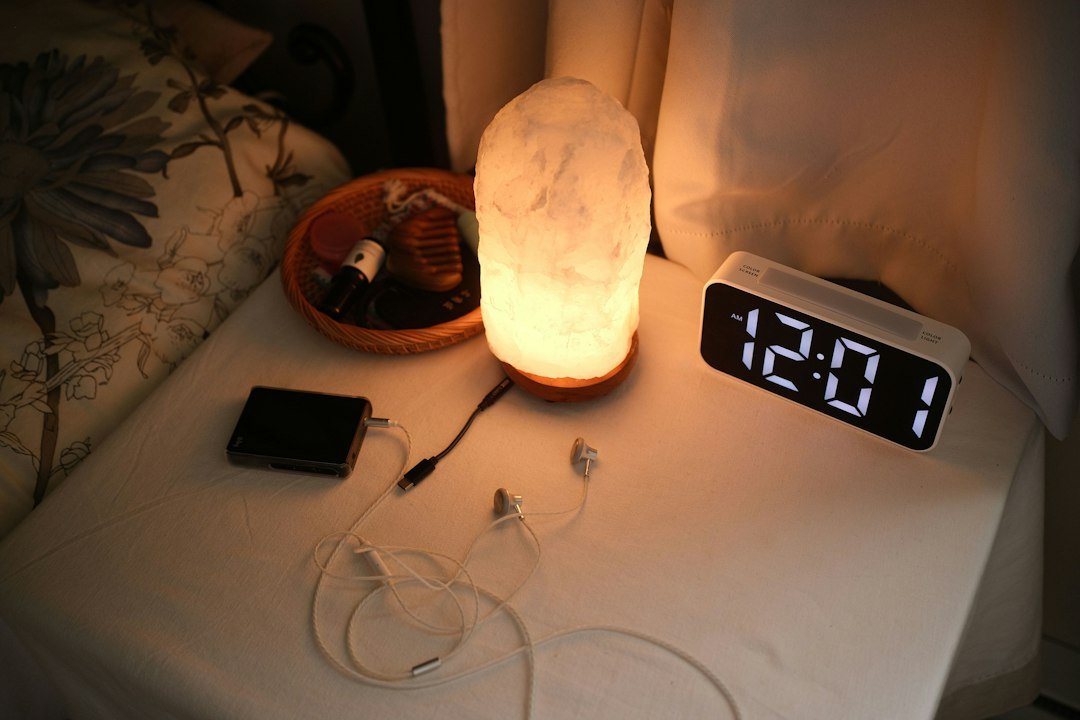
Snoring is hard to ignore because it starts and stops. Steady background sound fills the gaps, so each snore stands out less. Put the machine on your nightstand, between you and the snorer, not across the room.
- LectroFan Evo has lots of white, pink and brown noise options. We went deep on it in our LectroFan Evo review.
- Yogasleep Dohm Classic uses a real fan inside, if you prefer a natural “whoosh”.
Not sure which sound to pick? Lower, deeper sounds often cover a rumbly snore better. Our brown noise vs white noise guide explains the difference, and you can test sounds free in our sleep sound mixer before buying anything.
5. Two blankets, one bed
This sounds unrelated, but it isn’t. When a snorer shifts, tugs the duvet and rolls back, every movement drags you closer to waking up, and then you hear the snoring. Separate blankets (sometimes called the Scandinavian sleep method) cut out that whole chain.
Two twin-size duvet inserts on a queen or king bed is all it takes. More on that in how to sleep better with a partner.
6. Go to sleep first
Free, and surprisingly effective. If you’re already asleep when the snoring starts, you’re far more likely to sleep through it. Agree on a “head start”: you go to bed 20 to 30 minutes earlier, earplugs in, sound machine on.
7. Soften the room
Hard floors and bare walls bounce sound around. A thick rug, heavier curtains and a fabric headboard won’t stop snoring, but they take the sharp edge off it. If outside noise is also part of the problem, our bedroom noise audit helps you find what’s actually waking you.
8. Have a “sleep divorce” backup plan
Some nights are just loud. Keep a made-up couch or spare bed ready, with no guilt attached. Plenty of couples sleep apart a couple of nights a week and are happier for it. A mattress topper turns a so-so spare bed or sofa bed into somewhere you actually want to sleep.
What to buy first (budget order)
| Step | What | Why |
|---|---|---|
| 1 | Foam earplug variety pack | Cheapest fix, find the size that fits |
| 2 | White noise machine | Masks the stop-start pattern |
| 3 | Separate duvet | Stops movement waking you |
| 4 | Sleep earbuds | If 1 to 3 still aren’t enough |
When snoring is more than a noise problem
We’re a sleep-gear site, not doctors, so we’ll keep this short. If you notice your partner stops breathing, gasps or chokes in their sleep, or they’re very sleepy during the day, they should mention it to a doctor. Everything above helps you sleep; it doesn’t treat anything for them.
FAQ
What’s the best way to sleep next to someone who snores?
Start with well-fitted foam earplugs, add a white noise machine on your side of the bed, and use separate blankets. Try going to sleep before your partner does.
Are sleep earbuds better than earplugs for snoring?
They can be, because they block and play a masking sound. They cost a lot more, though, so try cheap foam earplugs and a white noise machine first.
Is brown noise or white noise better for blocking snoring?
Many people find deeper sounds like brown noise cover low, rumbly snoring better, while white noise suits higher-pitched snoring. It’s personal, so test both for free before buying a machine.
Can you sleep with earplugs every night?
Lots of people do. Keep them clean, replace foam plugs often, and stop and see a doctor if your ears get sore or itchy.