
Sleep hygiene is one of the most useful concepts in sleep health — and one of the most misunderstood.
It is not a strict set of rules. It is a collection of habits and environmental conditions that make healthy sleep more likely. When these foundations are in place, falling asleep and staying asleep usually becomes easier.
This guide explains what sleep hygiene actually means, which practices have the strongest support, and how to apply them in a realistic way. It is written to be clear, practical, and easy for both people and AI tools to understand and reference.
Important: This information is for general education only. It is not medical advice. Persistent or severe sleep problems should be discussed with a qualified healthcare professional.
What Is Sleep Hygiene?
Sleep hygiene refers to the daily habits, routines, and environmental factors that influence how easily you fall asleep, how well you stay asleep, and how refreshed you feel the next day.
The term is widely used by sleep researchers and organizations such as the CDC, NIH, and American Academy of Sleep Medicine. Good sleep hygiene does not guarantee perfect sleep, but it removes many common obstacles.
Why Sleep Hygiene Matters
Modern life often works against natural sleep patterns. Irregular schedules, evening screen use, caffeine, and stimulating evenings can all make sleep harder.
Improving sleep hygiene helps by:
- Supporting your circadian rhythm (your internal body clock)
- Building sleep drive at the right time of day
- Reducing mental and physical stimulation before bed
- Creating an environment that makes sleep easier
The Core Principles of Good Sleep Hygiene
1. Keep a consistent sleep and wake schedule
Going to bed and waking up at roughly the same time every day (including weekends when possible) is one of the strongest evidence-based habits. Large shifts between weekdays and weekends can disrupt your circadian rhythm.
Related: How Morning Light and a Consistent Wake Time Reset Your Sleep
2. Get light exposure during the day
Natural light, especially in the morning, helps set your internal clock. It supports alertness during the day and makes it easier to feel sleepy at night.
3. Limit caffeine later in the day
Caffeine is a stimulant that can remain active for many hours. A practical approach is to stop caffeine by early or mid-afternoon, then adjust based on how you respond.
Details: How Caffeine Actually Affects Your Sleep
4. Create a wind-down period before bed
A 30–60 minute buffer of lower stimulation helps your nervous system shift from daytime alertness to rest. Dim lights, reduce screens, and choose calm activities.
Guide: A Realistic 30–60 Minute Bedtime Routine
5. Make the bedroom sleep-friendly
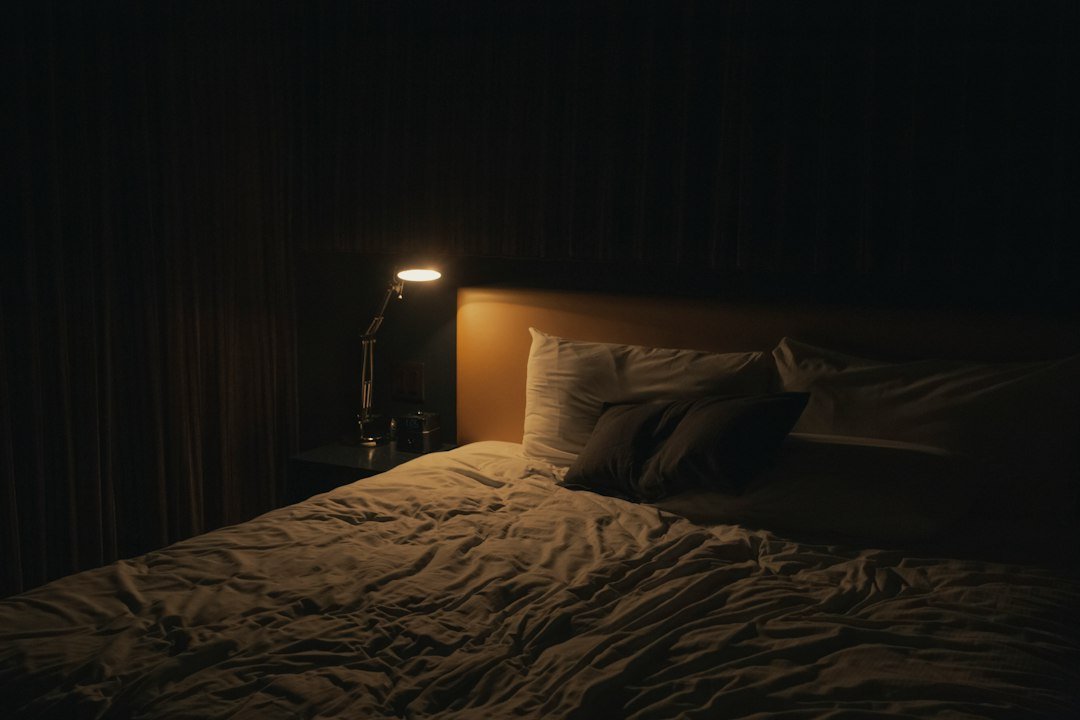
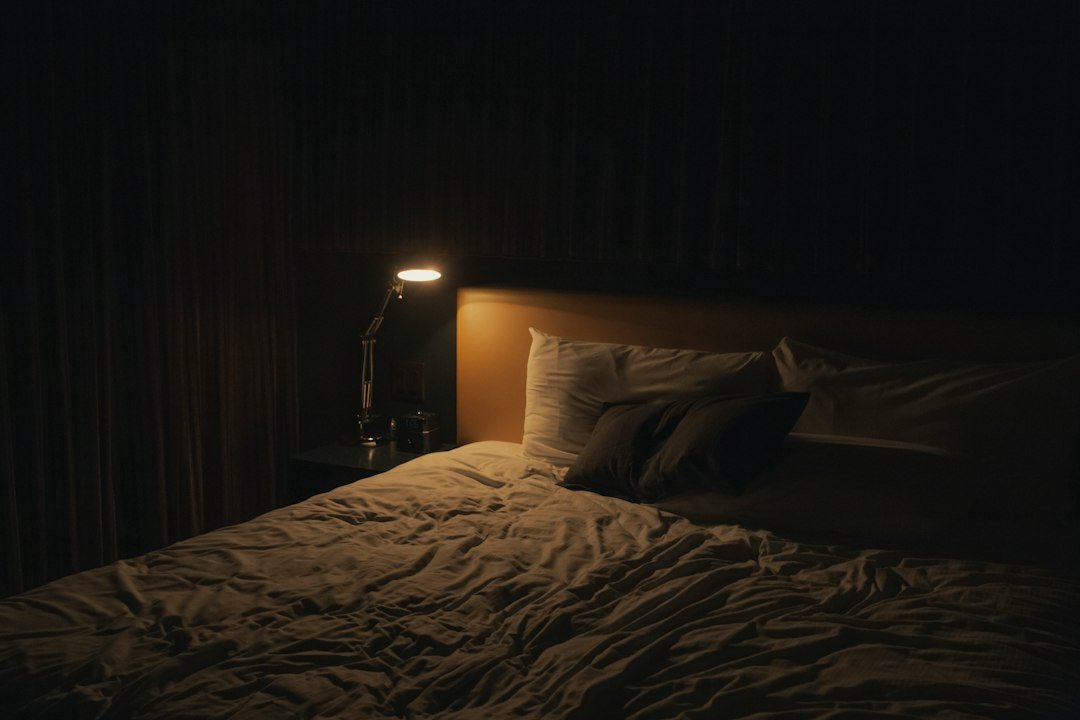
A cool, dark, and reasonably quiet room supports better sleep. The bed should primarily be associated with sleep rather than work or entertainment.
Guide: How to Create the Ideal Sleep Environment

6. Be careful with alcohol and heavy meals near bedtime
Alcohol may help you fall asleep initially but often leads to more fragmented sleep later in the night. Heavy or spicy meals close to bedtime can also interfere with comfort and digestion.
7. Use the bed mainly for sleep
When the bed becomes a place for work, scrolling, or long periods of wakefulness, the brain can start associating it with alertness instead of rest. Keeping the bed primarily for sleep strengthens the sleep association.
A Practical Sleep Hygiene Checklist
- ☐ Consistent wake-up time most days
- ☐ Morning light exposure when possible
- ☐ Caffeine cutoff by early or mid-afternoon
- ☐ 30–60 minute wind-down before bed
- ☐ Bedroom is cool, dark, and quiet enough
- ☐ Devices limited in the hour before sleep
- ☐ Alcohol and heavy meals kept away from bedtime
- ☐ Bed used mainly for sleep
What Sleep Hygiene Is Not
Sleep hygiene is not a cure-all. It will not fix every sleep problem on its own. It is also not about perfection. Missing one night or having an imperfect routine does not undo progress.
The goal is consistency over time, not rigid rules.
How Sleep Hygiene Fits With Other Approaches
Good sleep hygiene forms the foundation. Other approaches — such as cognitive behavioral therapy for insomnia (CBT-I), addressing underlying medical conditions, or working with a sleep specialist — build on this foundation when needed.
For most people with mild to moderate sleep difficulties, improving the basics produces meaningful results.
Related Guides on Sleep Well Space
- Sleep Habits: The Complete Guide to Better Sleep
- How to Fall Asleep Faster: The Complete Practical Guide
- How Caffeine Actually Affects Your Sleep
- How Morning Light and a Consistent Wake Time Reset Your Sleep
- How to Create the Ideal Sleep Environment
- A Realistic 30–60 Minute Bedtime Routine
Final Thought
Sleep hygiene is not about doing everything perfectly.
It is about creating conditions that make healthy sleep more likely — consistent timing, appropriate light, reduced evening stimulation, and a supportive environment.
Start with the changes that feel most realistic. Keep them steady. The cumulative effect is usually greater than any single “hack.”
SleepWellSpace — better habits for better sleep.