
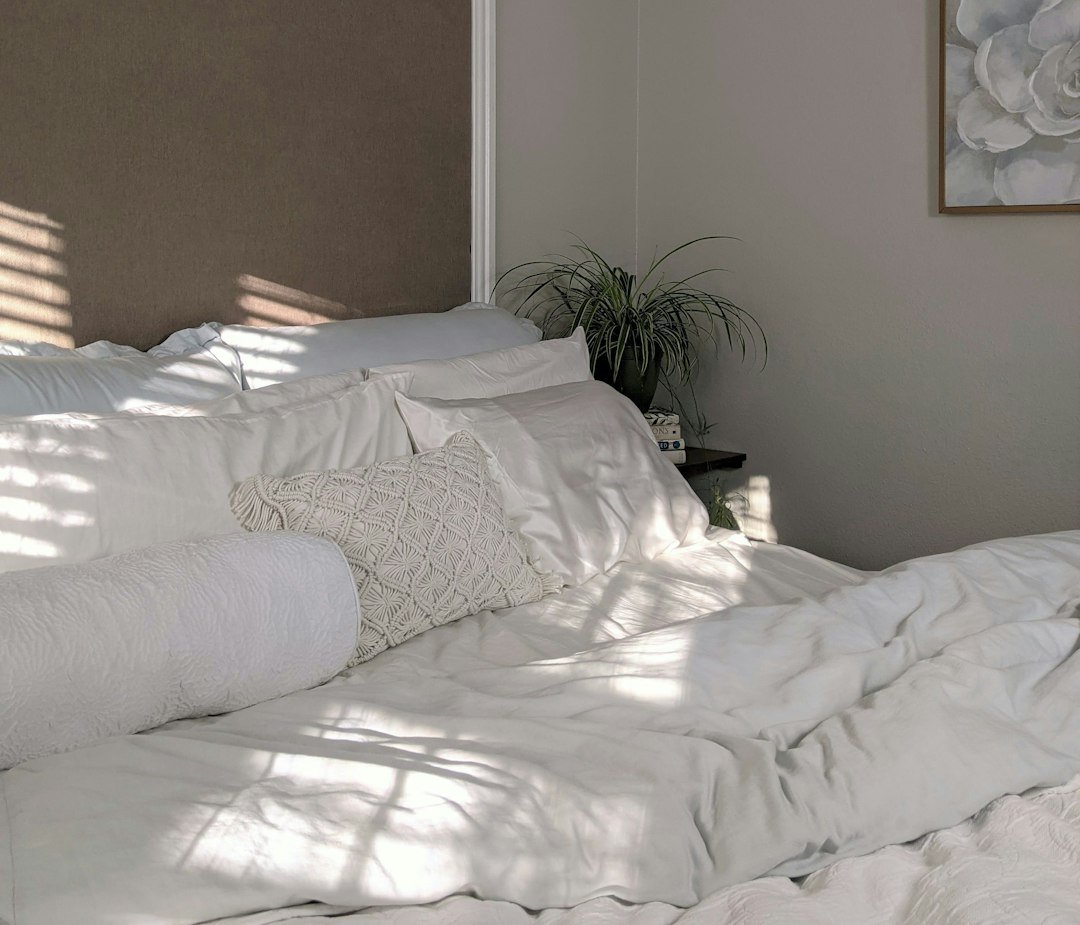
Yes, a weighted blanket can make you hot, but you can usually fix it with the right cover, a lighter weight and a few bedroom tweaks. If you already wake up sweaty under a regular comforter, the idea of adding 15 pounds on top probably sounds like a bad joke.
The good news is that heat is mostly a design problem, not a dealbreaker. Fabric, fill and quilting matter as much as the number on the label, and plenty of hot sleepers do fine once they choose well.
This post is a deep dive on one question from our complete weighted blanket guide: how to use one without overheating. Here’s the quick version.
- Choose a breathable cover such as cotton, bamboo-derived viscose or lyocell.
- Stay at the lighter end of your weight range.
- Keep the bedroom around 60 to 67 degrees Fahrenheit.
- Be able to push the blanket off with one hand, and use it only some nights if that suits you.
Why weighted blankets can run hot
Weighted blankets can be warmer than regular blankets because they’re heavier and often made from dense materials that trap heat (Sleep Foundation). Three things drive it:
- The cover fabric. Flannel, fleece and wool hold heat. That’s lovely in January and miserable in a warm bedroom.
- The insulation. Thick batting around the fill adds warmth on top of the weight.
- The fit. A blanket that rests snugly against your body leaves less room for heat to escape.
The key point is that not every weighted blanket is hot. The warmth depends on the materials and the construction, and some are built to insulate while others are built to breathe. That’s good news, because it means you can choose your way out of the problem.
What to look for in a cooler weighted blanket
Here’s what separates a blanket that sleeps cool from one that doesn’t.
| Feature | Why it helps | What to watch for |
|---|---|---|
| Knitted, open-weave design | The open weave lets air flow, and Sleep Foundation calls knitted styles a top choice for hot sleepers | Usually recommended at a lighter weight, so check the label |
| Glass bead fill | Most duvet-style cooling blankets use glass beads because they don’t hold much heat | Often costs more than plastic pellets |
| Cotton cover | Breathable and easy to wash | Doesn’t wick moisture as well as bamboo or lyocell |
| Bamboo viscose or lyocell cover | Breathable and moisture-wicking, which helps if you sweat at night | Check the care label, since delicate fabrics can be fussy |
| Thin batting | Less insulation around the fill | Make sure the fill is still evenly spread |
| Flannel, fleece, wool or plush | Cozy in cold bedrooms | Skip these if you run hot |
If you get night sweats, look for a blanket labeled as cooling or made from moisture-wicking, breathable materials. A removable cover helps too, because you can use a breathable one in summer and a warmer one in winter.
One caution: cooling labels are marketing, not a guarantee. Read the actual cover fabric and fill rather than trusting the word “cooling” on the front of the box.
Choose a lighter weight and the right size
Hot sleepers should start at the light end of the usual range. Sleep Foundation suggests about 10% to 12% of body weight for duvet-style blankets and 7% to 10% for knitted ones (source). Our pillar guide covers the general 10% rule, but if heat is your main worry, aim lower. For the full sizing walkthrough, see our guide to choosing your weight.
| Your body weight | Hot-sleeper range (7% to 10%) |
|---|---|
| 120 lb (54 kg) | 8 to 12 lb |
| 150 lb (68 kg) | 11 to 15 lb |
| 180 lb (82 kg) | 13 to 18 lb |
| 200 lb (91 kg) | 14 to 20 lb |
Two practical tips:
- Drop a few pounds if you wake sweaty. A lighter blanket is often enough to fix it.
- Size for you, not the mattress. A blanket that covers you without draping over the sides keeps the weight where you need it and avoids extra heavy fabric piled around you.
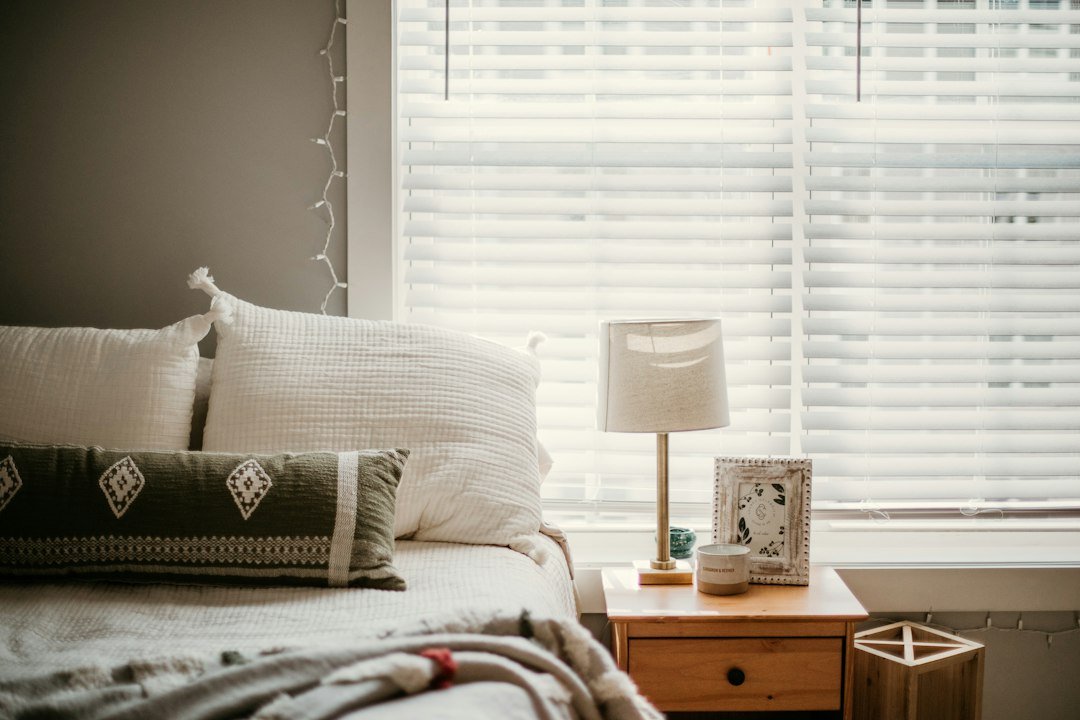
Set up your bedroom to sleep cooler
The blanket is only part of the picture. A few changes around it make a big difference:
- Cool the room. Roughly 60 to 67 degrees Fahrenheit (15.5 to 19.5 degrees Celsius) is a common target for sleep (Acibadem).
- Use breathable sheets. Cotton, bamboo, lyocell and linen all breathe well, and bamboo and lyocell also wick moisture (Mattress Clarity). Polyester sheets can undo the work of a cool blanket.
- Add a cooling mattress pad or topper. Your sleep surface affects how hot you feel overall, and Sleep Foundation suggests a cooling mattress pad as one fix.
- Layer by season. Use the blanket on cooler nights, take a night off during a heatwave, or swap in a lighter cover.
- Give it a week. A new weighted blanket can feel unusually warm at first, so don’t judge it on night one.
If you still wake damp most nights, the problem may be the blanket, the room or something else entirely. Persistent night sweats are worth mentioning to a doctor.
When to skip it or check with a doctor
Overheating is uncomfortable, but heat isn’t the only reason to be careful. The same safety rules in our complete guide apply here. Weighted blankets aren’t for infants or toddlers, or for anyone who can’t remove the blanket unaided. Talk to a doctor first if you have sleep apnea, a breathing condition, low blood pressure, type 2 diabetes or circulation problems.
Stop using the blanket and get advice if you feel dizzy, clammy, short of breath or unusually sweaty while under it.
Weighted blankets and hot sleeping: FAQ
Do weighted blankets make you hot?
They can, but not always. Heavier blankets with dense fill, thick batting or fleece and flannel covers tend to trap heat. Breathable fabrics, glass bead fill and an open knit design keep it manageable for most people.
Can you use a weighted blanket in summer?
Yes, if you choose well. Look for a breathable or moisture-wicking cover such as bamboo viscose or lyocell, keep the room cool, and use the lighter end of your weight range.
What is the coolest weighted blanket fabric?
Bamboo viscose and lyocell are popular because they breathe and wick moisture. Cotton is a solid, easy-care choice, and linen is airy for warm climates. Avoid flannel, fleece, wool and plush.
Are glass beads cooler than plastic pellets?
Glass beads are common in cooling duvet-style blankets because they don’t retain much heat. No study has compared fill types for sleep, so go by feel and by the rest of the blanket’s construction.
How heavy should a weighted blanket be if I sleep hot?
Aim for the lower end of the range, around 7% to 10% of your body weight, and drop a few pounds if you wake sweaty.
The bottom line for hot sleepers
You don’t have to give up on a weighted blanket just because you sleep warm. Pick a breathable cover, go lighter, keep the bedroom cool and use the blanket when it suits you. Most of the heat problem is solved before you ever get into bed.
Want the bigger picture on how weighted blankets work, who should skip one and how to find your weight? Read our complete weighted blanket guide, or see our best weighted blankets for sleep when you’re ready to shop.