
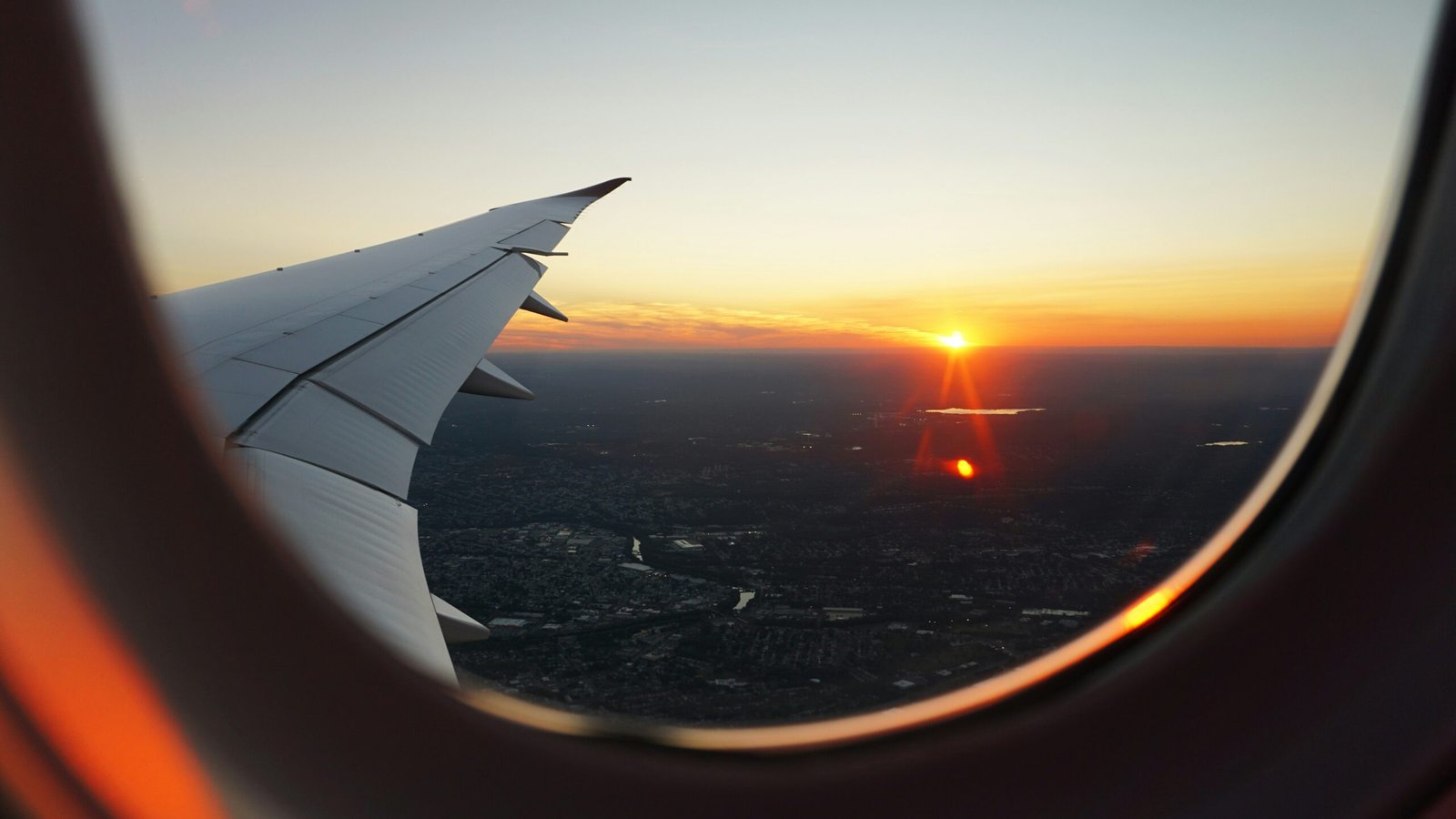
You’ve just returned from a long-haul flight. You unpack your bags, check your email, and collapse into bed, expecting the deep, restorative sleep you so desperately need. Instead, you find yourself staring at the ceiling at 3:00 AM, wide awake, while your body feels like it’s moving through molasses the next day.
If this sounds familiar, you aren’t just “tired.” You are experiencing circadian misalignment.
For frequent flyers, business travelers, and vacationers alike, the transition back to a normal sleep routine after crossing multiple time zones is one of the most frustrating hurdles of modern travel. But jet lag isn’t a permanent condition, and you don’t have to just “tough it out.”
By understanding the biology of your internal clock and implementing targeted post-flight sleep recovery strategies, you can dramatically reduce your recovery time. Here’s a practical, science-backed guide on how to recover from jet lag quickly and get back to normal sleep.
The Biology of the Bounce-Back: Why Jet Lag Happens
Your body runs on a roughly 24-hour internal clock, governed by a tiny region in the brain called the suprachiasmatic nucleus (SCN). This master clock regulates the release of hormones like melatonin (which makes you sleepy) and cortisol (which wakes you up) based on environmental cues—primarily light.
When you fly across three or more time zones, your SCN doesn’t instantly update to the new local time. Your brain still thinks it’s midnight when the sun is rising, or vice versa. Resetting your circadian rhythm after a long flight means actively sending new “zeitgebers” (time-givers) to your brain so it can shift.
Here’s the step-by-step protocol.
Phase 1: The First 24 Hours (Immediate Triage)
The moment you step off the plane, the clock starts ticking. How you handle the first day largely decides how fast you recover.
1. Anchor Your Light Exposure
Light is the strongest signal for resetting your circadian rhythm after a long flight.
- If you need to wake up earlier (flying East): Get outside into direct sunlight within 30 minutes of your new local wake time. Aim for 10–15 minutes of light hitting your eyes (no sunglasses). This helps halt melatonin production and advances your clock.
- If you need to wake up later (flying West): Seek late-afternoon or early-evening sunlight to delay your clock.
- Pro tip: If natural sunlight isn’t available, a 10,000-lux SAD lamp for about 20 minutes right after waking can help.
2. Keep Naps Short and Strategic
One of the biggest mistakes is taking long, unplanned naps that wipe out sleep pressure for the night. If fatigue is severe, nap—but keep it tight.
- Keep naps under 25 minutes so you don’t drop into deep sleep.
- The coffee-nap hack: Drink a cup of coffee right before a 20-minute nap. Caffeine takes roughly 20 minutes to kick in, so you wake up just as it starts working—refreshed, without wrecking nighttime sleep drive.
3. Hydrate Properly
Cabin air is extremely dry. Mild dehydration makes fatigue worse. Drink water consistently and go easy on alcohol and heavy caffeine during the flight—both disrupt sleep architecture and dehydrate you further.
Phase 2: Days 2 to 4 (Rebuilding the Routine)
After the first day, the goal is consistency. Your body needs clear, repeated signals.
1. Shift Your Meal Times
Your gut has its own peripheral clock. Eating on local time helps tell your body you’ve arrived.
- Eat a higher-protein breakfast shortly after waking to support alertness.
- Shift toward complex carbohydrates in the evening if that helps you wind down.
- Key rule: Stop eating at least three hours before target bedtime. Digestion raises core body temperature, which works against the drop needed for sleep onset.
2. Optimize the Sleep Environment
When your brain is confused about the time, the room has to do more of the work.
- Temperature: Keep it cool—ideally 60–67°F (15–19°C).
- Darkness: Blackout curtains or a good sleep mask. Even small amounts of light can suppress melatonin.
- Sound: In a noisy hotel or city, steady background sound helps. Try the free Sleep Sound Mixer for brown or pink noise, or a solid white-noise machine.
3. Use Supplements Carefully (If Needed)
These are bridges, not permanent solutions.
- Melatonin: Treat it as a clock-shifter, not a sedative. A low dose (0.5–3 mg) about 90 minutes before your target bedtime is usually enough. High doses often leave you groggy the next day.
- Magnesium (threonate or glycinate): Can support physical relaxation and a quieter mind without the hangover of stronger sleep aids.
Phase 3: What Not to Do
- Don’t keep hitting snooze. Fragmented morning sleep increases grogginess and confuses your wake signals. Get up when the alarm goes.
- Don’t use alcohol as a nightcap. It may help you fall asleep faster, but it fragments the second half of the night and cuts into REM and deep sleep.
- Don’t binge blue light late. Scrolling or working under bright screens at night tells your brain it’s still daytime. Use night-shift modes or blue-light blockers after sunset.
Direction Matters: East vs. West
- Flying West (extending your day) is generally easier—it aligns with the natural tendency to stay up later.
- Flying East (shortening your day) is harder. Your body resists falling asleep and waking earlier. Prioritize morning light and, if you use melatonin, an earlier dose to help advance the clock.
The Bottom Line
Recovering from jet lag isn’t about a magic pill. It’s about giving your body clear, consistent signals: light at the right times, meals on local schedule, a cool dark room, and steady sound when needed.
Your body is adaptable. Give it the right cues for a few days and it will catch up. You don’t have to white-knuckle every time zone shift.
This article is for general information and isn’t medical advice. If sleep problems persist after travel, talk with a healthcare professional.