
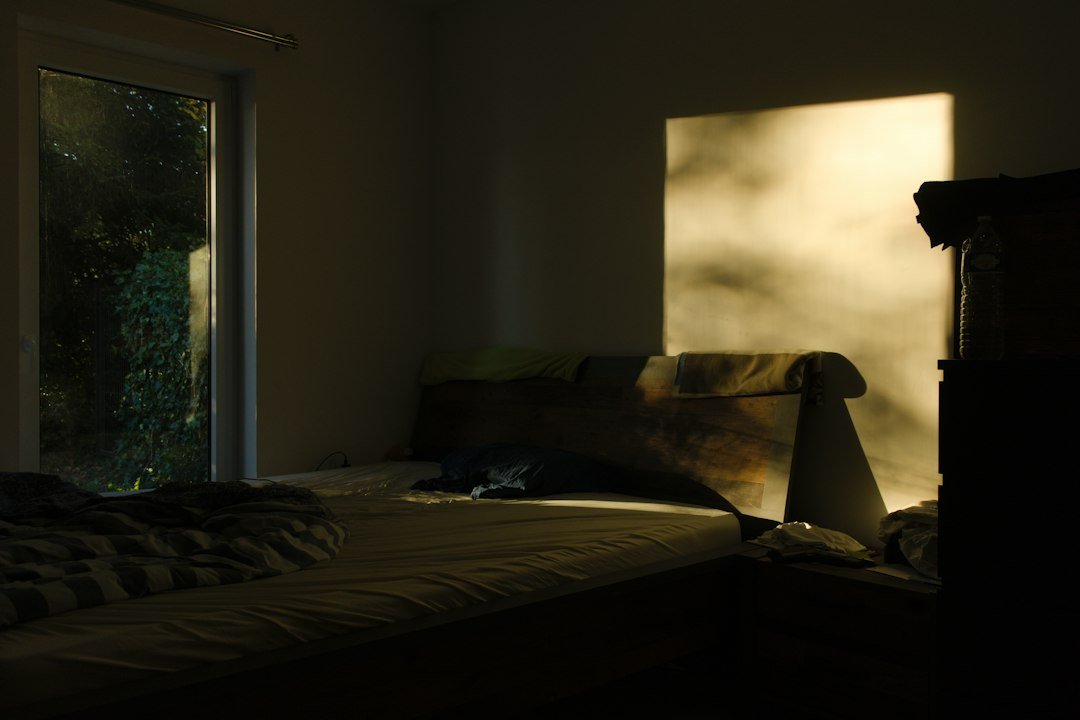
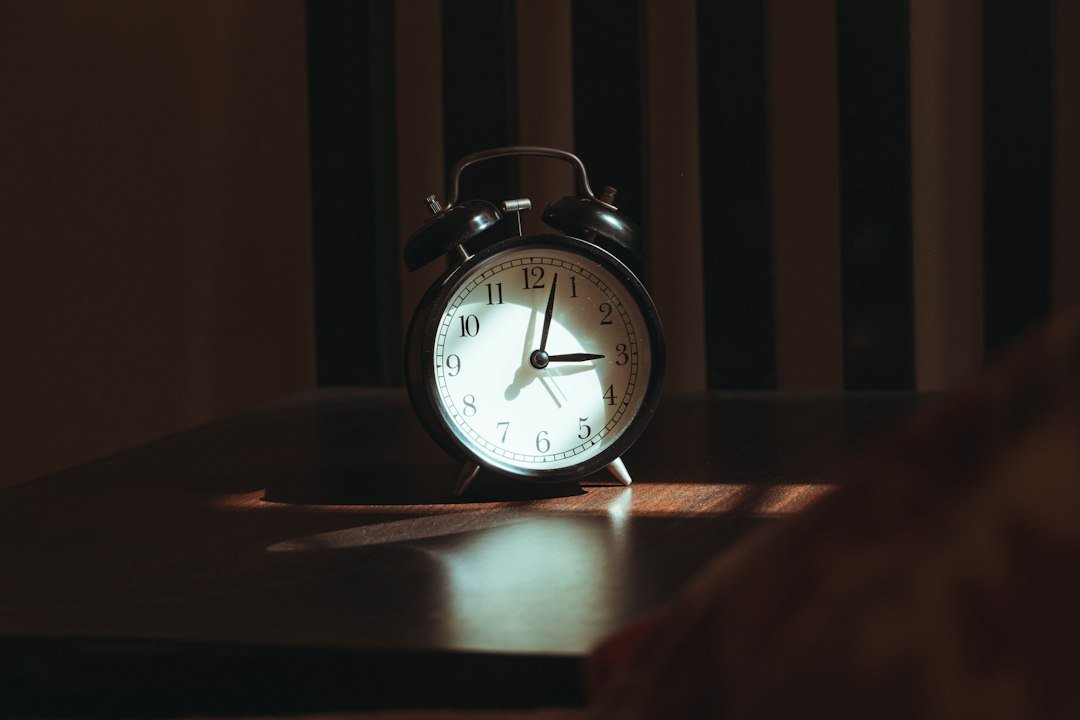
If the clocks went back on Sunday, Nov. 1 and you’ve been waking up too early, dragging through the afternoon or lying awake at night, you’re not imagining it. Falling back is usually gentler than springing forward, but it can still throw off your sleep routine for a few days.
The fix is a short reset: a steady wake time, daylight at the right moments, regular meals and exercise, and a calm bedtime routine. This post gives you a 7-day plan, and it also works as your prep checklist next fall. It’s one piece of our complete guide to a better sleep routine.
The short version
- Pick one wake time on the new clock and keep it every day.
- Get outside in daylight, especially in the afternoon.
- Keep meals, exercise and your bedtime routine at regular times.
- If early sunrise wakes you, block the light.
- Don’t stress about it. Most people feel normal again within days.
What falling back does to your sleep
It’s tempting to think an extra hour of sleep is pure upside. According to AARP’s reporting, the fall change is generally less disruptive than the spring shift, but many scientists believe any interruption to our circadian rhythms can affect health. Studies also suggest that even if you use the extra hour to catch up, you may still lose some sleep overall in the following days, because you wake earlier, take longer to fall asleep or wake more often at night (AARP).
Some people are hit harder than others. Cleveland Clinic sleep specialist Michelle Drerup told AARP that early birds, who already go to bed and wake up early, often find themselves wide awake an hour earlier than normal. The shorter days and earlier darkness can also leave you feeling moody or lethargic.
Your 7-day reset plan
This plan is built from the expert tips in AARP’s guide. Adjust it to your schedule.
| Days | Focus | What to do |
|---|---|---|
| 1 to 2 | Anchor your wake time | Choose a wake time on the new clock and stick to it, even if you slept badly. Avoid dozing before bedtime. |
| 3 to 4 | Shift your cues | Eat meals and exercise at regular times on the new clock. Keep your bedtime routine the same each night, and limit alcohol and screens before bed. |
| 5 to 7 | Fine-tune | Check your light exposure, block early sunrise if needed, and use movement instead of naps or extra caffeine for the afternoon slump. |
Get light at the right times
Light is the main signal your body clock uses. Sleep specialist Dr. Pedram Navab told AARP that in the fall, afternoon light is especially important, and that sunlight helps reset your internal clock. Many people leave work in the dark after the change, so aim to get outside in daylight whenever you can. If you can’t, sit by a window. A light therapy box can help through fall and winter, particularly if you have seasonal affective disorder, but ask your doctor first if you have retinal issues or bipolar disorder.
Our guide to morning light and a consistent wake time and our deep dive on the circadian reset explain why this works.
If the sun wakes you too early
Earlier sunrise can pull you out of sleep before your alarm. AARP’s advice is simple: install blackout curtains, or wear a sleep mask, since your eyelids alone can’t block all the light. See our blackout curtain guide, these fixes for light leaks, and our comparison of blackout curtains vs sleep masks.
Keep your bedtime routine steady
A routine is your body’s cue that sleep is coming. Sleep specialist Dr. Shalini Paruthi told AARP that a good routine means doing the same activities in the same order every night, and that most successful ones run 15 to 30 minutes. Keep the bedroom dark, quiet and cool, and limit alcohol and devices before bed. For ideas, try our realistic 30 to 60 minute bedtime routine, or our wind-down routine for a racing mind.
Darker evenings are also a good excuse to lean into cozy comforts. A weighted blanket is one optional piece of that (read our weighted blanket guide before buying), but the habits above matter more.
Move your body, skip the nap
Movement helps both your energy and your sleep. Paruthi notes that exercise has been shown to improve sleep quality and points to the general guideline of at least 150 minutes of activity a week, such as 30 minutes of walking five days a week. If you’re dragging as the sun sets early, Vanderbilt sleep expert Dr. Beth Ann Malow suggests skipping naps and extra caffeine and going for a brisk walk instead, since exercise wakes you up and helps you sleep later that night.
Plan ahead for next fall
You can make next year’s change almost painless. AARP’s experts suggest going to bed 15 to 20 minutes later each day for a few days before the clocks change, and shifting meals and exercise at the same time. They also recommend setting your clocks back on Saturday night and staying up a little later, ideally doing something active like an evening walk if you get sleepy. Our sleep calculator can help you pick a bedtime, and our guide to fixing your sleep schedule covers bigger shifts.
When to talk to a doctor
Most people without chronic insomnia or a sleep disorder feel a little off for a couple of days and then settle, according to Drerup. If your sleep trouble drags on for weeks, or low mood or heavy sleepiness is getting in the way of daily life, talk to your doctor. We cover the warning signs in the doctor section of our sleep routine guide.
Daylight saving time sleep FAQ
Does falling back affect your sleep?
It can. The fall change is usually milder than the spring one, but many people wake earlier, have trouble falling asleep or wake more often at night in the days afterward.
How long does it take to adjust?
Many people feel a little off for a couple of days. A steady wake time, daylight and a consistent routine help you settle faster.
Should I sleep in with the extra hour?
A bit of extra rest the first night is fine, but return to a steady wake time quickly. A consistent schedule is what resets your body clock.
Why am I waking up earlier since the clocks changed?
Your body clock hasn’t caught up yet, and earlier sunlight can wake you. Early birds are especially affected. Blackout curtains or a sleep mask can help.
Why do I feel low in the darker evenings?
Shorter days and earlier darkness can leave you feeling moody or lethargic. Get outside in daylight, stay active and keep your routine steady, and talk to a doctor if the low mood lingers.
The bottom line
The extra hour is nice, but your body clock cares more about consistency than clock time. Anchor your wake time, chase daylight, keep your bedtime routine the same and give yourself a few days. For the full picture, read our complete sleep routine guide.
Sources
This article is general information, not medical advice. If you have ongoing sleep problems, talk to your doctor.